



Losing body fat is one of the most common health goals today, yet it is also one of the most confusing.
One day you’re told to stop eating carbohydrates. The next day someone recommends intermittent fasting. Social media is filled with quick fixes, detox drinks, and restrictive meal plans that promise dramatic results in just a few days.
It’s no surprise that many people feel overwhelmed before they even begin.
The reality is that sustainable fat loss does not require starving yourself, skipping meals, or following extreme diets. Most successful weight-loss journeys start with simple, consistent changes that improve eating habits and create a healthier relationship with food.
A structured 7 day diet plan can be a useful starting point because it helps establish healthier routines, improves food awareness, and creates momentum toward long-term fat-loss goals.
This article outlines a practical Indian diet plan designed to support healthy fat loss while providing balanced nutrition and realistic meal options.
Weight loss is rarely about following the strictest diet. It is usually about finding an approach that works consistently within your daily life.
Dr. Charu Arora (PhD, AIIMS & Delhi University, Registered Dietitian) specializes in evidence-based nutrition and personalized dietary planning. Through her work at Sankalp By Charu, she helps individuals improve eating habits, manage weight effectively, and build sustainable lifestyle changes.
Her approach focuses on long-term health rather than temporary results. Instead of encouraging restrictive eating patterns, the emphasis is placed on balanced nutrition, realistic expectations, and practical strategies that can be maintained beyond a few weeks.
For many individuals, this creates a healthier and more sustainable path toward fat loss.
Quick Key Takeaways
Many weight-loss plans fail because they focus on short-term restriction rather than long-term sustainability.
People often start with strong motivation and dramatically reduce their food intake. While this may produce quick changes initially, the approach is usually difficult to maintain.
As hunger increases and cravings become stronger, many individuals return to old eating habits and regain lost weight.
Another common issue is unrealistic expectations. Some people expect dramatic changes within a week and become discouraged when progress appears slower than expected.
Successful fat loss generally comes from improving daily habits rather than relying on extreme measures. Small changes repeated consistently often produce more lasting results than aggressive short-term diets.
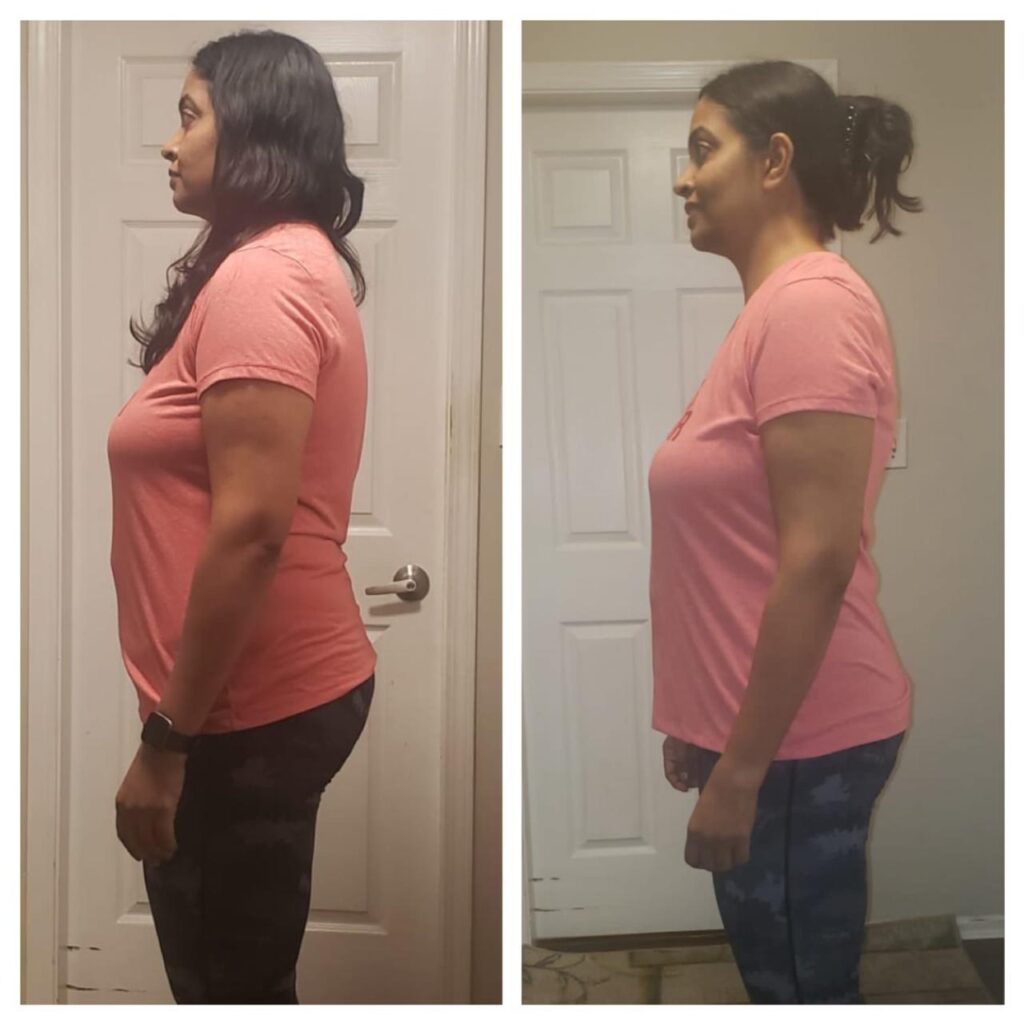
Before beginning any meal plan, it is important to understand that this schedule is designed to support healthier eating patterns rather than deliver unrealistic weight-loss promises.
Several factors influence fat loss, including:
This plan focuses on nutrient-dense foods, balanced meals, and reasonable portions.
Individuals with diabetes, thyroid disorders, kidney disease, pregnancy, or other medical conditions should seek personalized guidance before making major dietary changes.

Transform your health and lifestyle with expert nutritional care by Dr. Charu Arora at the Best Diet & Wellness Clinic
Start the day with warm water and a few soaked almonds.
This simple habit encourages hydration after overnight fasting and helps establish a mindful morning routine.
Vegetable oats with curd.
Oats provide fiber that promotes fullness, while curd contributes protein and supports digestive health. The combination creates a balanced breakfast that may help reduce mid-morning cravings.
One seasonal fruit such as apple, guava, or papaya.
Fruits provide natural sweetness, fiber, and important vitamins without relying on processed snacks.
Two whole wheat rotis, mixed vegetable sabzi, dal, and salad.
This meal combines protein, fiber, and complex carbohydrates to support satiety and energy levels.
Roasted chana and green tea.
The protein and fiber content of roasted chana can help manage hunger between meals.
Paneer bhurji with sautéed vegetables.
A protein-rich dinner may help improve fullness while supporting muscle maintenance.
Protein plays an important role in appetite regulation and fat loss.
Moong dal chilla with mint chutney.
Moong dal provides plant-based protein and fiber, making it a filling breakfast option.
Coconut water and cucumber slices.
This combination supports hydration while keeping calorie intake moderate.
Brown rice, rajma, salad, and vegetables.
Rajma contributes protein and fiber, while brown rice provides sustained energy.
Buttermilk and a handful of roasted peanuts.
Healthy fats and protein can help reduce cravings.
Mixed vegetable soup with paneer cubes.
This lighter evening meal provides nutrition while supporting calorie control.
Fiber helps improve fullness and may support better appetite management.
Vegetable poha with sprouts.
Adding sprouts increases protein content while vegetables improve nutrient density.
Orange or sweet lime.
Citrus fruits provide vitamin C and contribute to daily fruit intake.
Two rotis, chole, salad, and mixed vegetables.
This meal offers a combination of protein, fiber, and complex carbohydrates.
Roasted makhana.
Makhana can be a satisfying alternative to fried snacks.
Tofu stir-fry with vegetables.
This meal is rich in protein while remaining relatively light.
Many people focus only on reducing calories while ignoring nutritional quality.
Vegetable upma with curd.
The combination of carbohydrates and protein helps create a more balanced meal.
Guava slices.
Guava contains fiber and can help improve satiety.
Dal, brown rice, vegetables, and salad.
This meal provides essential nutrients and supports steady energy levels.
Green tea with roasted seeds.
Seeds contribute healthy fats and important micronutrients.
Grilled paneer with sautéed vegetables.
A protein-rich dinner can help manage evening hunger.
One healthy day does not create results. Consistency does.
Besan chilla with vegetables.
Besan provides protein while vegetables increase fiber content.
Papaya bowl.
Papaya is light, refreshing, and contributes vitamins and fiber.
Two rotis, mixed dal, vegetables, and salad.
This balanced meal supports fullness and nutritional adequacy.
Buttermilk and roasted chana.
Protein-rich snacks often help prevent overeating at dinner.
Vegetable soup with tofu.
This lighter evening meal supports calorie control while maintaining nutrition.
Many individuals struggle with overeating during weekends.
Oats vegetable cheela.
This breakfast combines fiber and nutrients while remaining satisfying.
Apple slices.
Apples provide fiber and natural sweetness.
Grilled paneer, salad, and one multigrain roti.
This meal supports protein intake while maintaining balance.
Green tea and makhana.
A healthier alternative to packaged snacks.
Mixed vegetable curry and salad.
Keeping dinner lighter may help support overall calorie management.
The goal of this final day is not perfection but sustainability.
Sprouts salad with curd.
This meal combines protein, fiber, and probiotics.
Seasonal fruit.
Choosing fruits regularly helps replace processed snacks.
Dal, vegetables, two rotis, and salad.
A balanced meal that can easily fit into everyday eating patterns.
Roasted peanuts and herbal tea.
A simple snack option that provides satiety.
Paneer and vegetable stir-fry.
This protein-rich dinner supports appetite control and nutritional balance.
Many people search for a single food that burns fat.
Unfortunately, no such food exists.
However, some foods make it easier to maintain healthy eating habits because they improve satiety and nutritional quality.
Vegetables are low in calories and rich in nutrients. They add volume to meals and may help reduce overall calorie intake.
Fruits provide vitamins, antioxidants, and fiber while satisfying sweet cravings more effectively than processed desserts.
Foods such as paneer, curd, tofu, dal, sprouts, eggs, fish, and chicken support fullness and muscle maintenance.
Whole grains digest more slowly than refined carbohydrates and help maintain steady energy levels.
Skipping meals often increases hunger later in the day, leading to overeating.
Completely removing carbohydrates or fats may create nutritional imbalances and make diets difficult to maintain.
Most detox drinks and fat-burning supplements lack strong evidence for long-term fat loss.
Poor sleep can affect hunger regulation and eating behavior.
Many people start a diet plan hoping to see dramatic results within one week.
While some weight changes may occur, it is important to understand that sustainable fat loss takes time.
Changes during the first week often include:
Rather than focusing solely on the weighing scale, pay attention to these positive changes as well.
Absolutely.
Vegetarian diets can support healthy fat loss when meals contain adequate protein, fiber, and balanced nutrition.
Paneer, tofu, curd, dal, legumes, sprouts, soy products, nuts, and seeds provide valuable nutrients that help support appetite control and overall health.
A properly planned vegetarian diet can be highly effective for long-term weight management.
Personalized Nutrition Guidance Generic Diet Chart Tailored to your lifestyle Same plan for everyone Considers medical conditions Limited personalization Focuses on sustainability Often restrictive Adapts to food preferences Less flexible Provides ongoing support Usually one-time advice Professional guidance can help identify barriers that may be slowing progress and create realistic strategies that fit your routine.
If you are looking for personalized nutrition guidance, sustainable fat-loss strategies, and practical meal planning support, professional advice can help create a clear path forward.
Dr. Charu Arora
PhD (AIIMS & Delhi University) • Registered Dietitian
Sankalp By Charu
Pristyn Care Elantis Hospital
29, Ring Road, Block L, Lajpat Nagar IV,
New Delhi, Delhi 110024
Call: 08800246558
A 7 day diet plan can be a useful starting point for improving eating habits and supporting healthy fat loss. However, long-term success depends on maintaining balanced nutrition, staying physically active, managing stress, and creating habits that fit into everyday life.
Rather than looking for quick fixes, focus on gradual improvements that can be sustained over time. Small changes practiced consistently often produce the most meaningful and lasting results.
A structured meal plan may help improve eating habits and create a calorie deficit, which can contribute to short-term weight changes. However, sustainable fat loss usually occurs gradually over weeks and months rather than within a few days.
The best plan is one that includes balanced meals containing protein, fiber, vegetables, fruits, and whole grains while remaining realistic and sustainable for your lifestyle.
Rice can be included as part of a balanced meal plan. Portion control and overall dietary quality are generally more important than eliminating specific foods entirely.
Yes. Vegetarian diets that include adequate protein sources such as paneer, tofu, curd, dal, legumes, sprouts, and soy products can effectively support healthy fat loss.
Completely eliminating carbohydrates is usually unnecessary. Whole grains, fruits, vegetables, and legumes can be included as part of a balanced fat-loss plan when portions are managed appropriately.