



Many people search for “can thyroid cause weight gain” when they notice unexplained changes on the weighing scale despite maintaining a relatively healthy lifestyle. Have you been putting on weight even though your eating habits haven’t changed much?
Maybe you’re trying to eat healthier, going for regular walks, or cutting back on junk food, but the weighing scale doesn’t seem to cooperate. When this happens, many people start wondering whether there could be a medical reason behind it.
One of the most common questions dietitians and doctors hear is: “Can thyroid cause weight gain?”
The short answer is yes. An underactive thyroid can make it easier to gain weight and harder to lose it. However, weight gain alone doesn’t automatically mean you have a thyroid problem. The key is to look at the bigger picture and understand the other signs your body may be giving you.
At Sankalp By Charu, Dr. Charu Arora (PhD, AIIMS & Delhi University, Registered Dietitian) often works with individuals who are struggling with unexplained weight gain and are unsure whether their thyroid health could be playing a role.
Let’s understand how the thyroid affects your body and when it may be worth getting checked.
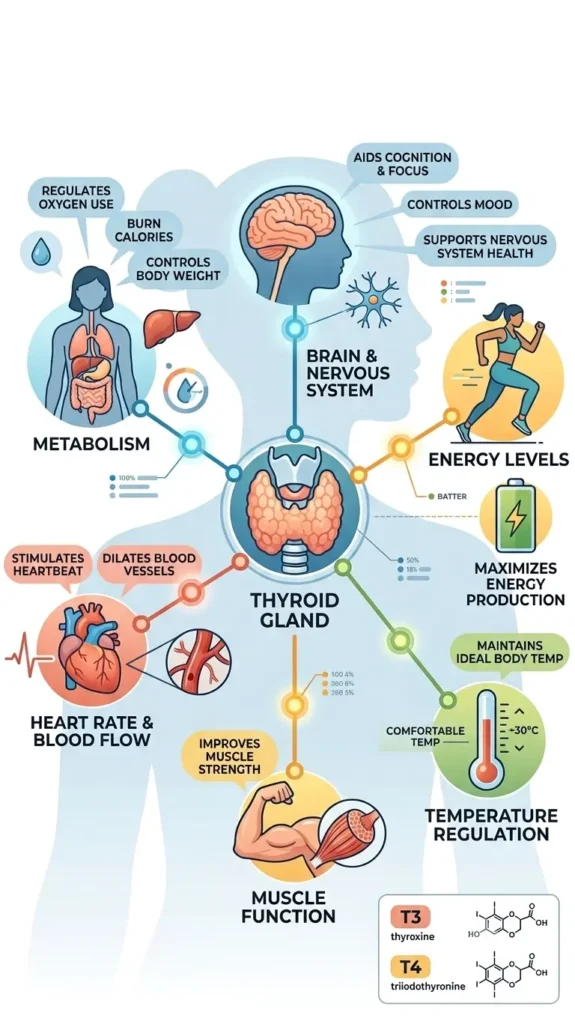
The thyroid is a small gland located in the front of the neck.
Although it’s small, it influences many important functions including:
You can think of the thyroid as part of your body’s control system. When it produces the right amount of hormones, your body uses energy efficiently.
When hormone levels become too low, several body processes may slow down.
Yes, particularly when the thyroid becomes underactive. This condition is known as hypothyroidism.
When thyroid hormone levels decrease, the body tends to use energy more slowly. As a result, some people notice:
Many people expect thyroid-related weight gain to be dramatic. In reality, it is usually gradual and develops over time.
This is one reason why thyroid issues often go unnoticed in the beginning.
Weight gain linked to hypothyroidism doesn’t happen for a single reason. Several factors may contribute :-
A slower metabolism means your body may require slightly less energy than before. Even if you’re eating the same amount of food, maintaining weight can become more difficult.
People with hypothyroidism sometimes retain more fluid than usual. This can make clothes feel tighter and contribute to changes on the weighing scale.
When you’re constantly tired, everyday movement naturally decreases. You may skip workouts, walk less, or simply feel less active throughout the day. Over time, these small changes can add up.
Weight gain rarely appears by itself. Most people experience a combination of symptoms.
Everyone feels tired occasionally. But, if you regularly wake up feeling exhausted despite getting enough sleep, it may be worth paying attention.
And a slower digestive system can sometimes lead to constipation and digestive discomfort.
Do you often feel colder than the people around you? An underactive thyroid can sometimes affect how your body regulates temperature.
Some individuals notice:
These changes usually happen gradually.
Many people describe this as:
When several of these symptoms occur together, it becomes easier to see a pattern.

Transform your health and lifestyle with expert nutritional care by Dr. Charu Arora at the Best Diet & Wellness Clinic
This is where many people get confused. Not every case of weight gain is caused by thyroid disease. In fact, lifestyle factors remain the most common reason.
Weight gain is more likely to be lifestyle-related when there has been:
On the other hand, thyroid-related weight gain often comes with additional symptoms such as fatigue, cold intolerance, hair changes, or constipation.
Another clue is that some people continue struggling with weight despite making reasonable efforts to improve their habits.
It’s easy to assume that the thyroid is responsible whenever weight loss becomes difficult. But the reality is more complicated.
Weight can be influenced by:
This is why self-diagnosis can sometimes create more confusion than clarity.
Rather than guessing, it is better to look at the complete picture and seek proper evaluation if symptoms persist.
Yes. Many people with hypothyroidism successfully manage their weight. However, the process may require more patience and consistency.
A healthy approach usually includes:
Some individuals also explore meal-timing approaches to support their goals. If you’d like to learn more, read our detailed guide on intermittent fasting and how it works.
The most effective plan is always the one that fits your lifestyle and can be maintained long term.
Consider speaking with a healthcare professional if:
A simple blood test can usually provide valuable information about thyroid function.
Getting clarity early can help you make informed decisions rather than spending months trying random diets or exercise plans.
Many people focus only on the weighing scale. The real goal should be understanding why the weight gain is happening. That’s why personalized nutrition guidance can be useful, especially when health conditions may be involved.
At Sankalp by Charu, nutrition plans are tailored to an individual’s lifestyle, medical history, eating habits, and long-term health goals rather than relying on one-size-fits-all diets.
So, can thyroid cause weight gain? Yes, it can. However, weight gain alone is not enough to confirm a thyroid condition. Looking at the complete pattern of symptoms is far more important than focusing only on the weighing scale.
If you’ve been wondering whether thyroid problems could be contributing to your weight gain, the best approach is to look at the complete picture rather than focusing on the number on the scale alone. Symptoms such as fatigue, feeling cold more often, hair thinning, constipation, and difficulty losing weight may sometimes indicate an underlying thyroid issue. If these changes persist, speaking with a qualified healthcare professional can help you understand the cause and decide whether thyroid testing is appropriate.
Dr. Charu Arora (PhD – AIIMS & Delhi University, Registered Dietitian) provides personalized nutrition and weight management support at Sankalp By Charu – Diet & Wellness Clinic, located at Pristyn Care Elantis Hospital, 29 Ring Road, Block L, Lajpat Nagar IV, New Delhi, Delhi 110024.
For consultations and personalized diet planning, you can contact the clinic at +91 8800246558.
Most thyroid-related weight gain happens gradually rather than suddenly. People often notice slow changes over several months along with other symptoms.
No. Symptoms vary from person to person. Some individuals experience noticeable weight gain, while others may mainly struggle with fatigue, dry skin, or digestive changes.
Yes. Many people successfully lose weight through healthy eating habits, regular activity, adequate sleep, and appropriate medical management when needed.
Persistent fatigue is one of the most frequently reported symptoms. However, it often occurs alongside other signs such as weight gain, cold intolerance, constipation, and hair changes.