



Belly fat is one of the most common concerns people discuss during nutrition consultations. Some want to fit into old clothes again. Others are worried about increasing waist size despite eating less than before. Many feel frustrated because they have tried diet plans, skipped meals, followed social media tips, and even purchased weight-loss products without seeing lasting results.
One of the biggest myths surrounding weight loss is that losing belly fat requires joining a gym. This belief often discourages people who have busy schedules, family responsibilities, long working hours, joint pain, or simply do not enjoy gym workouts.
The truth is that belly fat reduction is influenced by much more than exercise alone. Your food choices, sleep quality, stress levels, daily activity, eating patterns, and overall lifestyle have a significant impact on how your body stores and burns fat.
If you have been searching for a realistic way to reduce belly fat without spending hours in a gym, this article will help you understand what actually works. Rather than focusing on shortcuts or unrealistic promises, we’ll look at practical strategies that support sustainable fat loss and better health.
Successful weight management is rarely about following the strictest diet. It is usually about understanding your body’s needs and building habits that can be maintained for years rather than weeks.
Dr. Charu Arora (PhD, AIIMS & Delhi University, Registered Dietitian) specializes in evidence-based nutrition and personalized dietary planning. Through her work at Sankalp By Charu, she helps individuals achieve sustainable weight management while improving overall health and lifestyle habits.
Her approach focuses on understanding each person’s medical history, eating behavior, daily routine, food preferences, and long-term goals. Instead of encouraging extreme restrictions, the emphasis is placed on balanced nutrition, realistic expectations, and gradual improvements that fit into everyday life.
For many patients, this approach feels more manageable and less stressful than constantly switching between restrictive diets and short-term weight-loss trends.
Quick Key Takeaways
Many people are surprised when they gain weight around the abdomen despite feeling that their diet has not changed significantly.
In reality, belly fat accumulation is often influenced by several factors working together rather than a single cause.
A few biscuits with tea, sugary beverages, packaged snacks, restaurant meals, and frequent food deliveries may seem harmless individually. However, these small additions can substantially increase overall calorie intake over time.
Many individuals underestimate how much they consume because liquid calories, processed snacks, and occasional treats are often forgotten when thinking about daily food intake.
Even people who feel busy throughout the day may spend most of their time sitting.
Long office hours, driving, screen time, and reduced physical movement can significantly lower daily energy expenditure. When calorie intake consistently exceeds what the body uses, fat storage gradually increases.
Insufficient sleep and chronic stress affect hormones that regulate hunger, fullness, cravings, and energy balance. This is one reason some people struggle with belly fat despite making reasonable dietary efforts.
Understanding these underlying contributors helps create a more realistic and effective approach to weight management.
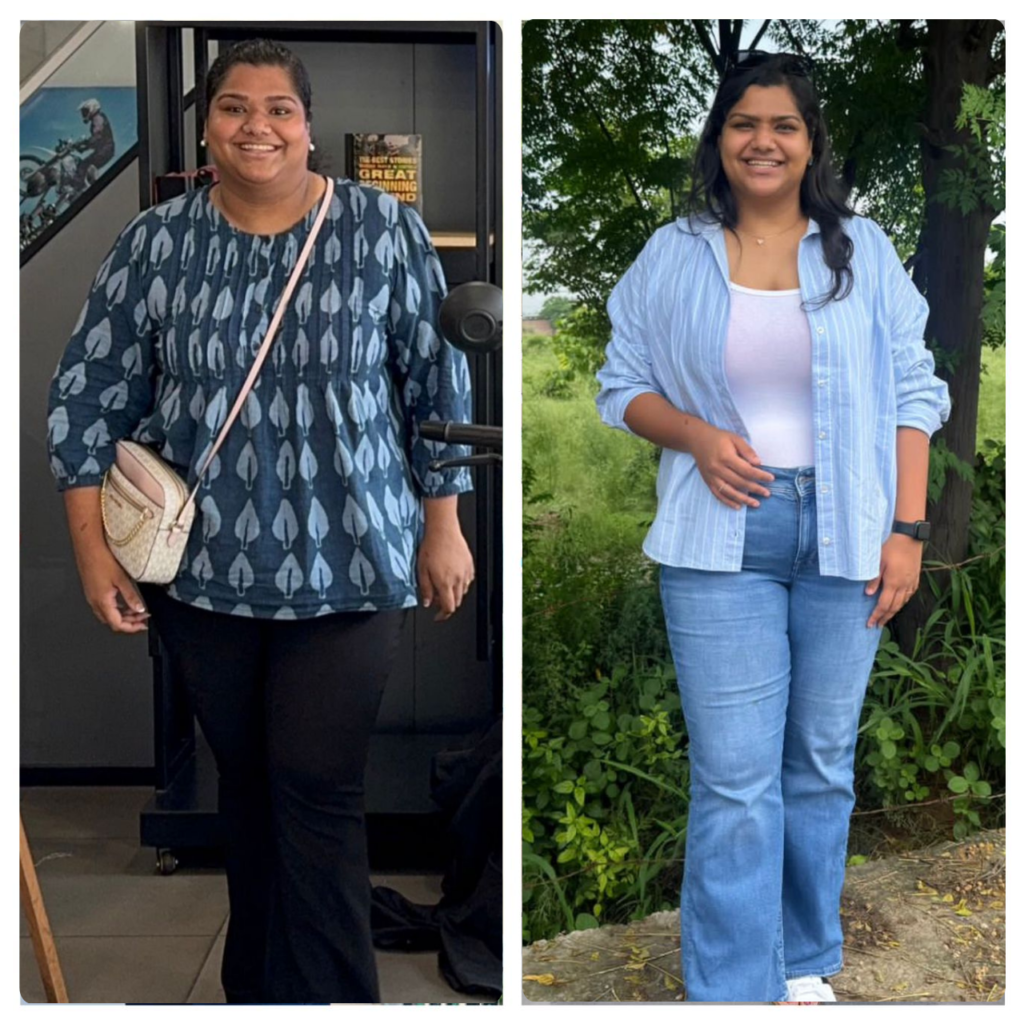
The simple answer is yes.
Many people successfully reduce body fat without ever joining a gym because nutrition and overall lifestyle habits play a larger role than most people expect.
Exercise certainly offers health benefits, but it is important to understand that a one-hour workout cannot always compensate for poor eating habits throughout the rest of the day.
For example, someone may spend forty-five minutes exercising but unknowingly consume several hundred extra calories through sugary drinks, processed snacks, or oversized portions.
On the other hand, a person who follows a balanced eating plan, prioritizes sleep, manages stress, and remains physically active throughout the day may create the conditions necessary for sustainable fat loss.
This is why successful weight management should focus on the bigger picture rather than relying exclusively on exercise.
The goal is not simply to burn more calories. The goal is to create habits that make maintaining a healthy weight easier over time.

Transform your health and lifestyle with expert nutritional care by Dr. Charu Arora at the Best Diet & Wellness Clinic
Food quality has a major influence on appetite, energy levels, metabolism, and long-term weight management.
Rather than searching for a single “fat-burning” food, it is more effective to build meals around nutrient-dense ingredients that support overall health.
Protein is often one of the most important nutrients during weight loss because it helps control hunger and supports muscle maintenance.
People who consume adequate protein frequently report feeling fuller for longer periods, which may reduce unnecessary snacking.
Paneer is a valuable source of protein and can fit well into vegetarian meal plans. When consumed in appropriate portions, it can increase satiety and help create balanced meals.
These foods provide protein while also supporting digestive health. Unsweetened versions are generally preferred because they contain fewer added sugars.
Traditional Indian dals offer a combination of protein, fiber, and important nutrients. Including them regularly can help improve meal quality while supporting fullness.
These options provide plant-based protein and can be useful for individuals seeking vegetarian alternatives.
Fiber slows digestion and contributes to a feeling of fullness after meals.
Fresh fruits provide natural sweetness along with vitamins, minerals, antioxidants, and dietary fiber. Unlike packaged sweets and sugary snacks, fruits satisfy cravings while supporting overall nutrition. Apples, guava, oranges, pears, papaya, and seasonal fruits can be valuable additions to a balanced weight-loss plan.
Vegetables are naturally low in calories and rich in nutrients. Filling a significant portion of your plate with vegetables can improve satiety while helping control overall calorie intake. Leafy greens, cucumbers, carrots, tomatoes, cauliflower, broccoli, and capsicum are excellent choices.
Whole grains digest more slowly than refined carbohydrates and help maintain stable energy levels throughout the day. Foods such as oats, brown rice, whole wheat roti, quinoa, and millets can contribute to a more balanced eating pattern.
Nuts and seeds provide healthy fats, fiber, and important micronutrients. While portion control remains important, moderate amounts of almonds, walnuts, flaxseeds, chia seeds, and pumpkin seeds can support overall dietary quality.
Weight gain is rarely caused by a single food. However, some dietary patterns make it easier to consume excess calories without realizing it.
Soft drinks, packaged fruit juices, sweetened tea, flavored coffee beverages, and energy drinks often contain significant amounts of sugar while providing little satiety.
Many people are surprised to discover how much of their daily calorie intake comes from beverages alone.
Packaged chips, biscuits, sweets, and fried snacks are designed to be highly palatable, making it easy to consume large quantities.
Because these foods are often low in fiber and protein, they may not keep you satisfied for very long.
Restaurant meals are often higher in calories, sodium, and fats compared with home-cooked alternatives.
While occasional dining out can certainly be enjoyed, frequent consumption may slow progress for individuals trying to reduce belly fat.
Sleep is one of the most overlooked aspects of weight management.
Many people focus exclusively on food and exercise while ignoring the impact of inadequate sleep.
Research suggests that poor sleep may influence hormones involved in hunger regulation. As a result, individuals who are sleep deprived often experience stronger cravings, especially for high-calorie foods.
Sleep deprivation may also reduce energy levels, making it harder to remain active and maintain healthy routines.
Most adults benefit from approximately seven to nine hours of quality sleep each night.
Creating a consistent sleep schedule, reducing screen exposure before bedtime, and maintaining a comfortable sleep environment can support better rest and overall health.
Stress affects much more than mental well-being.
When stress becomes chronic, it can influence eating behaviors, sleep quality, and hormone regulation.
Many people notice increased cravings for sugary or comfort foods during stressful periods. Others may skip meals and later overeat because of intense hunger.
This cycle can make weight management considerably more challenging.
Walking is one of the most practical forms of physical activity available.
It requires no gym membership, no special equipment, and can be adjusted according to individual fitness levels.
Regular walking supports:
Many individuals find it easier to maintain a walking routine than an intensive exercise program.
For beginners, gradually increasing daily steps can be a realistic starting point.
The most effective exercise plan is often the one that can be followed consistently.
Skipping Meals
Skipping meals may appear helpful initially, but it often increases hunger later in the day. This can lead to overeating and poor food choices.
Following Extremely Restrictive Diets
Highly restrictive diets are difficult to maintain and frequently result in weight regain once normal eating resumes.
Expecting Quick Results
Healthy fat loss takes time. Unrealistic expectations often lead to disappointment and abandonment of otherwise effective habits.
Looking for Miracle Solutions
Detox drinks, slimming teas, fat-burning supplements, and social media trends rarely address the actual causes of weight gain.
Long-term results are generally achieved through sustainable lifestyle changes rather than quick fixes.
The internet contains an overwhelming amount of weight-loss advice, much of which is contradictory.
| Personalized Nutrition Care | Generic Diet Plans |
|---|---|
| Tailored to individual needs | Same recommendations for everyone |
| Considers medical history | Limited personalization |
| Focuses on sustainability | Often highly restrictive |
| Provides ongoing support | Minimal follow-up |
| Addresses lifestyle barriers | Focuses mainly on food rules |
A qualified dietitian can help identify habits, nutritional gaps, and lifestyle factors that may be slowing progress.
Many individuals become discouraged when they do not see immediate changes.
It is important to remember that healthy weight loss is rarely linear. Progress may occur gradually and can sometimes be difficult to notice week by week.
Instead of focusing exclusively on the weighing scale, pay attention to improvements in energy levels, sleep quality, digestion, fitness, and clothing fit.
These indicators often improve before dramatic changes in body weight become visible.
The goal should not simply be rapid weight loss. The goal should be creating habits that support long-term health and well-being.
If you are looking for personalized nutrition guidance and a practical approach to sustainable weight management, professional support can help you create a plan that fits your lifestyle and health goals.
Dr. Charu Arora
PhD (AIIMS & Delhi University) • Registered Dietitian
Sankalp By Charu
Pristyn Care Elantis Hospital
29, Ring Road, Block L, Lajpat Nagar IV,
New Delhi, Delhi 110024
Call: 08800246558
Losing belly fat without going to the gym is not only possible but often more realistic for people balancing work, family responsibilities, and busy schedules.
The most effective strategy focuses on improving nutrition, increasing protein and fiber intake, prioritizing sleep, managing stress, staying hydrated, and remaining physically active throughout the day.
There is no single food, exercise, or supplement that magically removes belly fat. Sustainable results are usually achieved through consistent habits practiced over time.
By focusing on realistic lifestyle improvements and seeking professional guidance when needed, you can make meaningful progress toward a healthier body and improved overall well-being.
The timeline varies from person to person and depends on factors such as current weight, eating habits, sleep quality, stress levels, physical activity, and overall health. Some individuals notice early changes within a few weeks, while others require several months to achieve significant results. Sustainable progress is generally more beneficial than rapid weight loss because it is easier to maintain long term.
Many factors beyond portion size can influence weight gain. Hidden calories from beverages, processed snacks, poor sleep, chronic stress, hormonal changes, and low physical activity levels may all contribute. In some cases, individuals eat small meals but consume calorie-dense foods that make overall intake higher than expected.
Yes. Sustainable weight loss is usually achieved through balanced eating habits rather than extreme restrictions. Improving food quality, increasing protein intake, consuming more vegetables, and reducing highly processed foods often produces better long-term outcomes than strict dieting.
Walking can be an effective component of a weight-loss plan, especially when combined with healthy eating habits. Consistent daily walking supports calorie expenditure and overall health, making it a practical option for many individuals.
Detox drinks are heavily marketed but generally do not provide unique fat-loss benefits. Most successful weight-loss strategies focus on balanced nutrition, adequate hydration, physical activity, sleep, and sustainable lifestyle habits rather than specific beverages.